
Trip guides
eSIM for an OE: Staying Connected in the UK and Europe
Updated 27 September 2026
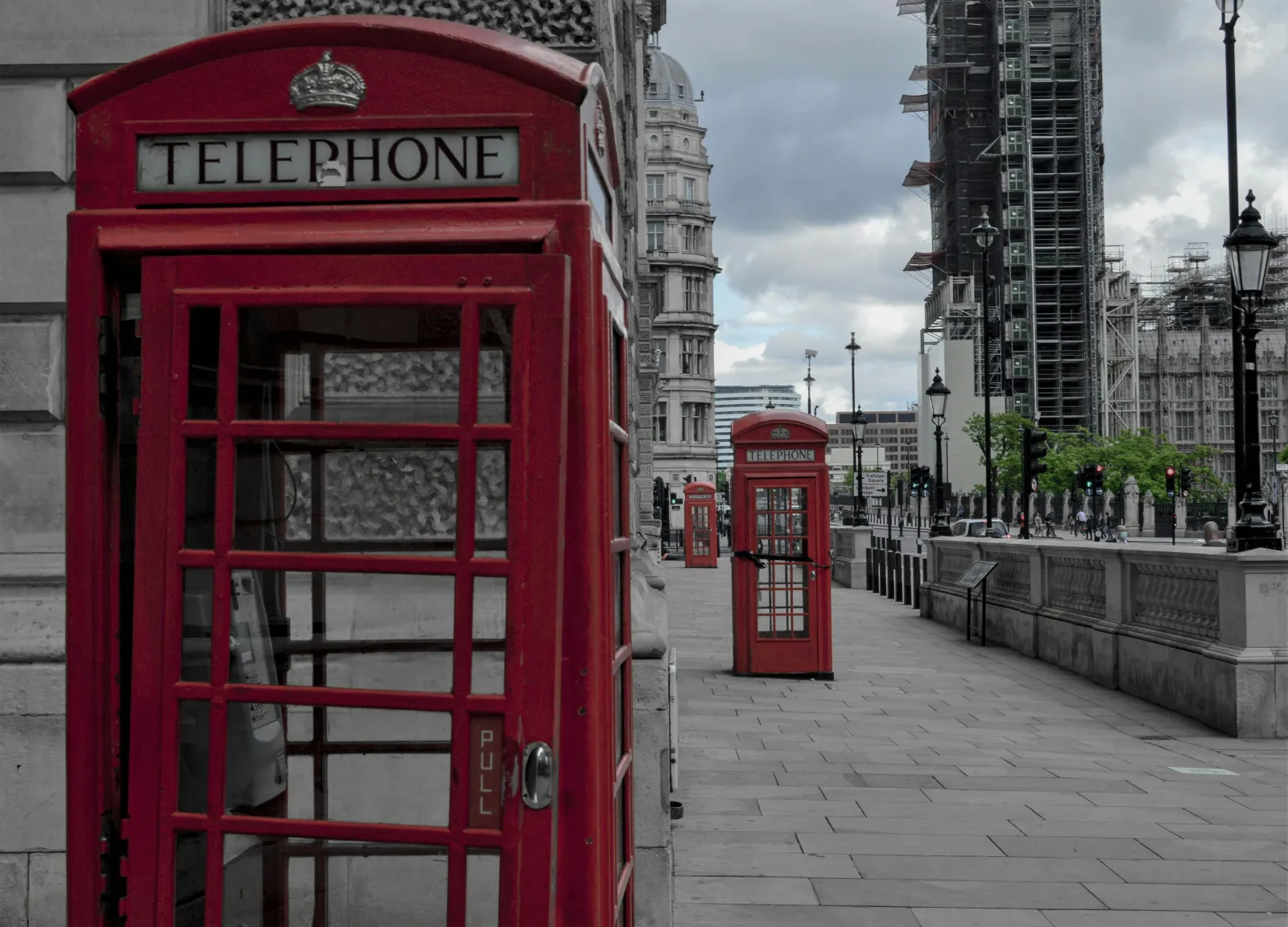
Sorting an OE eSIM before you fly is one less job for your first week in London or Dublin. The OE (Overseas Experience) is its own kind of trip - not a two-week holiday, but the start of months (sometimes years) based overseas, usually beginning in London or Dublin with a lot of moving parts to sort in the first few days. Connectivity shouldn't be one of the things you're figuring out jet-lagged in an arrivals hall.
Quick recommendation
Landing in London for the start of your OE and need data for the first few weeks while you get sorted? Start with the 10 GB plan (30 days, $15.99) on the United Kingdom eSIM plans page. Bouncing around Europe before you settle rather than heading straight to a base, size up or look at the regional bundle below instead.
Who this is for
The classic Kiwi OE - a London or Dublin base for a stint measured in months, not weeks, usually with a job to find, a flat to sign, a bank account to open, and a lot of admin to get through before life starts feeling normal. It's different from a holiday-length trip, and it's worth planning connectivity like it.
Why the OE is different from a normal trip
A regular holiday needs data for a week or two. An OE needs it from the moment you land - to sort a bank account, find a place to stay, get to job interviews, and actually use maps to learn a new city - through to whenever you get a local SIM plan sorted properly, which for most people isn't day one. That gap is exactly what a travel eSIM is for: enough data to function normally while you get everything else set up, without needing to find a phone shop before you've even found a bed.
How much data you need for the first couple of weeks
Job hunting, house hunting, and constant maps and messaging while you learn a new city add up more than a typical holiday. As a rough guide, light use (maps and messaging only) sits around 1-3GB a week, regular use with some streaming and video calls home around 5-10GB a week, and heavy use - including hotspotting a laptop for job applications or setting up a bank account online - pushes toward 15-20GB+ a week. See how much data you actually need for the full breakdown, and size for the getting-settled stretch rather than your whole OE - you'll almost certainly move to a local SIM or plan once you're properly set up.
What to sort before you fly, not after
- Buy and install your eSIM at home, on your own Wi-Fi. It doesn't start the clock - most plans activate on first connection at your destination, not at install (check the "About this eSIM" panel on the plan page to confirm, and see the setup guide) - so there's no downside to doing this weeks ahead.
- Size it for the first stretch, not the whole OE. A plan covering your first couple of weeks - long enough to get properly set up - makes more sense than trying to buy a year of data upfront. See how much data you actually need as a starting point. Getting sorted takes longer than expected? Top up the same eSIM before its window ends and you're not stuck buying a whole new one - a top-up adds its own block of days as well as data, so it stretches your cover rather than just refilling it.
- Check your phone is actually eSIM-compatible and carrier-unlocked before you fly, not after - see device compatibility.
Visa or ETA: sort the paperwork alongside your phone
Most Kiwis doing an OE in the UK go on the Youth Mobility Scheme visa, which New Zealanders can get from 18 to 35. It lets you live and work in the UK for up to two years, and New Zealanders can extend it by a further year. You'll need to show a set amount of savings when you apply, so check the current figure on GOV.UK before you book flights.
If you're only visiting first - a few weeks' holiday before deciding - you'll need an Electronic Travel Authorisation (ETA) instead. It's an online application with a small fee, covers visits of up to six months, and isn't needed if you already hold a UK visa. Apply only through GOV.UK or the official UK ETA app; copycat sites charge more.
Getting a UK number once you've landed
Banks, recruiters, landlords and a lot of UK apps want a UK mobile number for verification codes, so most people pick up a local SIM or plan once they've got an address. Your travel eSIM covers the gap: data from the moment you land at Heathrow or Gatwick, while you open a bank account, view flats and get to interviews.
Because the eSIM sits alongside your normal SIM, your NZ number keeps receiving texts too - handy for NZ bank codes while you set everything else up.
UK plan or a Europe-wide bundle?
If London or Dublin is the whole plan for now, a single-country plan is the simpler, cheaper pick - UK eSIM plans currently start from $3.99, with larger sizes and longer validity windows available on the UK eSIM plans page. Dublin-based instead? The Ireland eSIM plans page has the same thing for your base.
A lot of OEs don't stay put for long, though - a few weeks bouncing between London, Dublin, and wherever else before you settle into a base. If that's the plan, a regional bundle covering both the UK and Ireland on one eSIM is worth checking against buying separately - see the current options below. For the fuller version of this decision across all of Europe, not just the UK and Ireland, see Europe eSIM: one plan or separate country plans.
When does it actually start?
Check the "About this eSIM" panel on the plans page before you buy - most plans start the first moment your phone connects to a network in the UK, so it's fine to buy and install well ahead of your flight. A handful of plans instead start the moment you install the eSIM profile, so for those, install right before you fly rather than weeks ahead.
Does hotspotting work?
Yes - hotspot/tethering is included, so you can share the connection with a laptop or another device. It counts against your plan's data allowance like any other use, which is worth factoring in for an OE specifically: job applications, setting up a bank account, and other admin often mean using a laptop rather than just your phone, so size your plan with that in mind rather than for phone-only use.
Setting it up
Install your eSIM on Wi-Fi before you fly, and it's ready to go the moment you land at Heathrow, Gatwick, or Dublin - see the setup guide for the two-minute version. There's no phone shop to find or SIM pin to fumble before you've even found a bed.
Once you're settled
A travel eSIM is built for exactly that - the travelling and getting-settled phase - not as a permanent replacement for a local plan once you've got a flat, a job, and a bank account sorted. Most people switch to a local SIM or plan once they're properly set up; the eSIM's job is just getting you there without a connectivity gap on day one.
One eSIM or one per country?
If you're visiting more than one of these places, a regional bundle means one eSIM for the whole trip - no new QR code at each border. If you're mostly in one country, its own plan is usually cheaper. Current options:
- Europe · 35 countries - covers all 2 of the places in this guide, from $5.99
- Europe · 34 countries - covers all 2 of the places in this guide, from $5.99
- Europe · 33 countries - covers all 2 of the places in this guide, from $6.99
Single-country plans
Coverage and networks in the UK
In the United Kingdom, this eSIM connects via EE and 3. England, Wales and most of Scotland's populated areas are well covered, including the motorway network and every major city - a solid pick for the vast majority of a UK trip. Heading up into the Scottish Highlands and islands or deep into rural Wales, signal naturally gets patchier the further you get from town - true of every network up there - so it's worth grabbing offline maps before a remote road trip like the North Coast 500.
The UK FAQs
Will it work in the Scottish Highlands?
In towns and along the main routes, yes. Out on remote single-track roads and in the islands, signal naturally thins out - normal for any network that far from town - so it's worth having offline maps as a backup.
Does it work on the London Underground?
Most platforms and tunnels still have patchy to no signal, though this is slowly improving on some lines. Wi-Fi is available at most stations if you need to get online while you wait.
Which networks does the United Kingdom eSIM use?
It connects via EE (5G) and 3 (4G) - your phone automatically uses whichever has the strongest signal where you are.
Do I need a UK ETA for my OE?
Only if you're visiting without a visa. If you're going on a Youth Mobility Scheme visa, the visa covers you and you don't also need an ETA. Visitors without a visa need an ETA before they fly.
Should I get a UK SIM or keep using an eSIM?
Both, in order. Use a travel eSIM for the first few weeks while you get set up, then get a UK SIM or plan once you have an address, since many UK services want a local number.
Will my eSIM work on weekend trips to Europe?
A UK plan covers the UK only. If you're hopping over to Europe often, compare a regional bundle covering the UK and Europe, or add a country plan for a specific trip.
Ready to sort it? Head to the UK eSIM plans page (or Ireland eSIM plans if Dublin's your base) to pick a size and buy - your QR code lands within a minute of paying.
Sources
Information checked 27 September 2026. Entry rules, fees and local details change - confirm anything important with the official source before you travel.